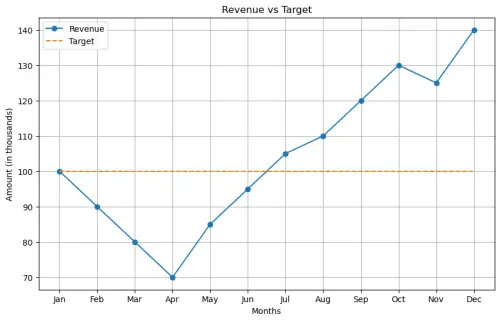
Most experienced sales professionals (unfortunately) have experienced at least one year throughout their careers in which the set sales goals appeared to be way out of reach for their sales team. Despite all the efforts, you just feel unable or unequipped to get closer to where you want to be.
Ever been in a similar situation? I understand how tough it can be. Not only from a sales representative point of view, but also as sales team lead. You feel the weight of everyone’s expectations and the urge to deliver an epic motivational speech to inspire a never-seen-before-comeback-show.
But as anyone who’s been there will tell you, motivating a sales team and sometimes even yourself for that matter, isn’t that simple. It requires leadership, empathy, and a lot of character from a leader as well as intrinsic motivation from your team.
Being educated as a Scientist, I learned to approach many things in life as science to be able to understand challenges and find lasting solutions. After facing the ‘underperformance’ challenge multiple times, I’ve learned that it can be addressed scientifically-as a repeatable system of which I believe that you should know about.
As sales leader in these situations, it can be extra challenging to meet the growing expectations from senior management. My advise is to function as a gatekeeper in making sure the added pressure from the higher ranks within your organization does not get to your team at all. Or at least filter out most of the negativity directed at the sales department as a whole. Instead, make sure that you create the best possible working environment as a foundation first before you start optimizing your teams performance.
In this post, I’ll break down the sales leadership philosophy I’ve developed while aiming to help startup sales teams. Regardless if the team consists of (Key) Account Managers, Account Executives, SDR’s or Business Development Managers, setting goals and managing the road towards hitting them is not that different.. I’ll also provide actionable tips you can implement right away to motivate a turnaround within your sales team to make it reach its full potential.
The Emotional Wellbeing of Your Sales Team
We often focus on metrics, figures, and quotas, but the key driver of sales success is emotion. Every buying decision is driven by emotion and then justified with logic, even in B2B sales. When a prospect gets excited about your product or service, it’s not just because it will make their company more efficient or profitable. They’re excited because it will benefit their career, help them earn more money, gain recognition, or simplify their work life.
Your sales team’s job is to identify these emotions, amplify them, and guide the prospect towards a buying decision. To do this effectively, your team needs to be in the right headspace. They need to feel confident and positive. Without this, they won’t empathize well with prospects or effectively amplify their emotions, leading to struggles in closing deals. Again, emotions and emotional wellbeing are key here. Emotions affect customer buying decisions and your sales teams’ performance rates.
Optimizing the workplace culture is the first step to start realizing a long-lasting winning sales team that enjoys coming to work. Here are seven tips to do just that.
7 Tips to Building a Winning Sales Culture
By focusing on these areas, you can create a culture that inspires and motivates your sales team, leading to better performance and higher morale.
- Create a Positive and Healthy Work Environment
- Lead with Empathy
- Make Sure the (New) Goals are Attainable
- Use Narrative to Motivate your Sales Team
- Assure Strong Relationships Between Sales and Marketing
- Make Team Motivation Part of your Weekly Routine
- Invest in Personal and Team Development
1. Create a Positive and Healthy Work Environment
Encourage open communication between all team members, celebrate achievements, stimulate constructive feedback, and foster a sense of community. Make sure your team feels valued and supported.
Care about their lives outside of work. Your team’s quality of life directly impacts their work. If they’re thriving outside of work, they’ll perform better at work. If they’re struggling in their personal lives, they’re more likely to bring this burden to the work floor. Encourage them to learn more about each other’s personal lives.
Encourage work-life balance. Promote a healthy balance between work and personal life. Offer flexible working hours and encourage taking breaks. Even if this reduces the total amount of hours your team works per week, taking breaks regularly and giving some of the responsibility of when the work is done to your team will improve the overall output and success of your team. As long as you make sure you are all aligned on the goals to hit at the end of the term agreed.
2. Lead with Empathy
Understand the challenges your team faces and offer support. Be approachable and show genuine concern for their wellbeing. This is achieved by actually listening to your sales team.
Keep in mind this doesn’t mean saying “yes” to every request. Your sales team, the ones on the front lines, know exactly how tough the battle is. If you’re going to lead them effectively, you need to hear them out. Make sure they keep talking to you about their feelings and ideas and ask what role you can play to help out. Take it serious and deliver on your promises. This will build trust.
If your sales team feels like they’re being heard, and realize that you are all in it for the same goals, they’ll be far more motivated. And I don’t have to explain why motivated sales teams obtain better results than demotivated ones. Believe me, demotivated teams will not stick together very long and will search for new challenges somewhere else. I know, because I have taken that decision myself as a junior sales representative.
3. Make Sure the (New) Goals are Attainable
One of the most important tasks as a sales leader is setting realistic goals. It’s not enough to simply set a goal; you need to ensure it’s achievable. If you are not the one with the responsibility to set the targets, make sure you get as much influence in the decision making process as possible to prevent misalignment between senior management expectations and the actual situation that you and your team are dealing with.
I have seen it happen many times. Goals are set by managers that have no clue what is happening in the regions that these goals are set for. Market situations and trends often differ per country and expecting double digits growth because that was also achieved last year is too shortsighted. I realize that regional sales managers occasionally have no influence on the set goals, but it should be your role to influence the decision making process for annual target setting when you feel it will be unrealistic and demotivating for your entire team.
Break down big goals into smaller, more attainable milestones, or KPIs. This makes the larger goal seem less overwhelming and gives your team a clear path to success. Focus on the smaller steps, not the mountain ahead.
4. Use Narrative to Motivate Your Sales Team
Commercial organizations are always changing, either because of internal shifts or because of adjustments in strategy as a response to external changes. And while change is necessary, it can also be exhausting. The key to getting your team on board with these changes, and to better prepare them for any other future changes, is to frame them as part of a larger narrative.
Narrative helps people process and adapt to change more quickly, making them feel more invested and less overwhelmed. For this blog, I will focus on necessary changes because sales results are far behind. Changes could mean a change in how the team is composed or in focus or selling approach.
For example, when I was Head of Sales, our startup company shifted its target market. The change was significant. My team would have to adjust to fewer leads and completely new messaging. I knew they wouldn’t be thrilled, so I had to get them on board.
Here’s the approach I took:
1. Get leadership on board (easy, since It was my idea to begin with).
2. Help the team understand the reasoning behind the change and why it was necessary.
3. Use a strong narrative to motivate them to execute the change.
I crafted the narrative around these core elements:
– ‘Why the change was happening’
– ‘Why we were the right team for it’
– ‘What success would look like’
– ‘How we could exceed expectations’
The result? The team was quickly on board, and we executed the shift successfully. Now, I use this framework to soften up any major change within the organizational teams I lead or advise.
5. Assure Strong Relationships Between Sales and Marketing
Create a teamwork-makes-the-dream-work-environment. Not only within one team but also between the different departments.
To stimulate this, involve marketing when making a battle plan. Set at least one goal that both teams need to work together on to accomplish. Distribute responsibilities and ownership and get the commitment. Make them learn from each other and have them celebrate successes together. This will get you a cohesive commercial team that keeps improving itself.
Another tip is to have bi-weekly meetings no longer than 30 minutes with the entire commercial team and have them share achievements, goals and challenges.
My next blog will explain the sales & marketing relationship in much more detail. The link to that blog will be added here.
6. Make Team Motivation Part of Your Weekly Routine
Spectacular moments are useful for short-term boosts, but relying on big, flashy events to motivate your team every time is exhausting.
Motivation is hard to ignite from scratch every time. But once it’s going, it has momentum, and it’s easier to maintain than to start over from scratch. That’s why I made it a point to motivate my team every week and offer them recognition when appropriate.
When I led a sales team, we started every Monday morning with a quick meeting where we celebrated successes from the week before, discussed areas for improvement, and checked in with everyone. Important is that your team feels comfortable voicing disagreements. If they don’t, you won’t get the honest feedback needed for growth. Make sure they feel listened to and that feedback is always constructive.
7. Invest in personal and team development
Offer them the opportunities and resources for growth in skills and knowledge. Invest in training and development and distribute developmental goals under both individual and team needs. This will make your team more motivated and logically will help your team advance their skills and career paths.
It’s Time to Start Motivating Your Sales Team
Alright, sales have been slipping for too long. It’s time to boost the team’s morale and turn things around. Let’s end this slump once and for all.
As you’ve seen from this post, leading a sales team isn’t just about refining the sales process or adding numbers to your CRM. It’s about taking care of your people.
Start by sitting down with your team and truly listening to them. This is the first step toward fostering a healthy mindset and building a foundation for high morale.
As a big fan of basketball, let’s use the quote from legend Michael Jordan: “The mental part is… what separates the good players from the great players.”
Now, let’s guide your team to greatness.
Would you like more guidance in this process? Do you feel that all this is not enough to help your team hit their targets this year? Let someone from outside your organization with an open and unbiased mind assess the situation and draft a plan to implement changes on a short term to help you get back on the right track. The quick-scan and other consultancy services of JR Sales Solutions could be a great starting point. Reach out for a 30-minute free consulting call to learn more.